Why do anticholinergic medicines cause so many side effects?
One mechanism. Many organs. Many symptoms.
Select any card for the reasoning, what to watch for and an exam tip.
Examples
- Oxybutynin overactive bladder
- Amitriptyline tricyclic antidepressant
- Chlorphenamine sedating antihistamine
- Procyclidine drug-induced parkinsonism
- Hyoscine hydrobromide motion sickness
Acetylcholine acts on muscarinic receptors — released by parasympathetic nerves, and by the sympathetic nerves that supply sweat glands. An antimuscarinic drug sits in those receptors instead — in every organ that has them.
- Parasympathetic nerve ending releases acetylcholine
- Acetylcholine (ACh)
- Muscarinic receptor (M1–M5) on the target organ
- Antimuscarinic drug occupies the receptor — ACh can’t act
- Target organ: gland, smooth muscle or heart
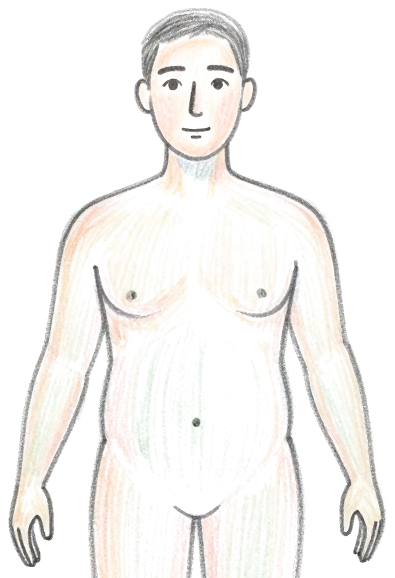
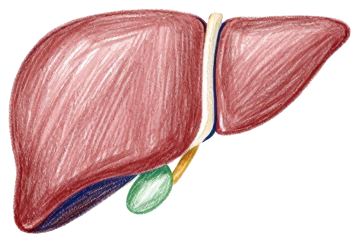
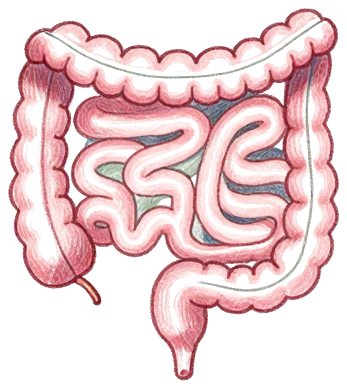
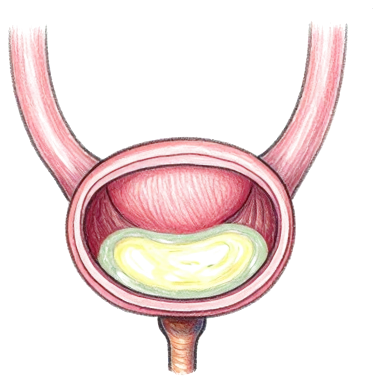

Key takeaway
Can’t see, can’t spit, can’t pee, can’t poo — and sometimes can’t think straight.