Sympathetic vs parasympathetic: which does what?
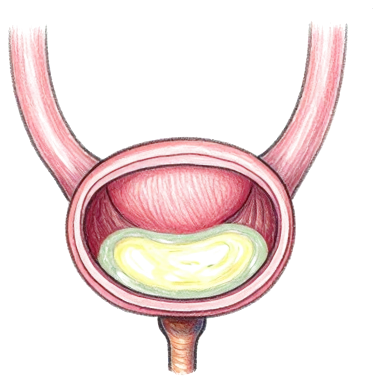
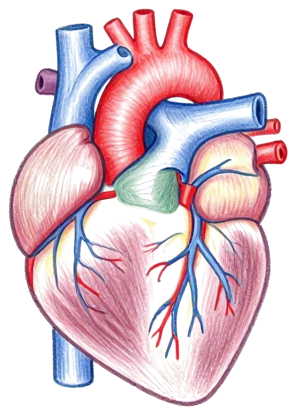
Follow each organ across the body: the sympathetic effect on the left, the parasympathetic on the right.
Select any card for the reasoning, what to watch for and an exam tip.
Sympathetic“Fight or flight” — noradrenaline on alpha and beta adrenoceptors
Parasympathetic“Rest and digest” — acetylcholine on muscarinic receptors
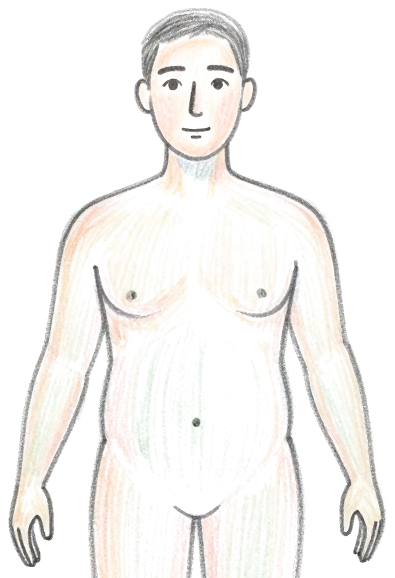
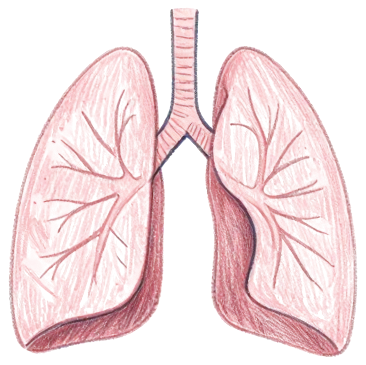
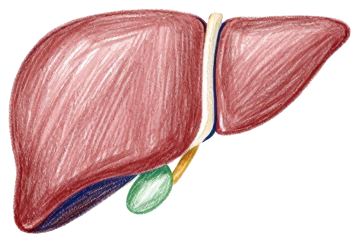
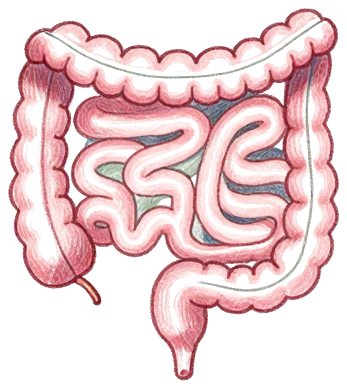
From the spinal cord to the organ: two neurones and a synapse
Every autonomic pathway uses two neurones in a row. The first leaves the spinal cord and releases acetylcholine onto nicotinic receptors at a ganglion; the second carries the signal on to the organ.
releases acetylcholine releases noradrenaline
SympatheticA short first neurone to a ganglion beside the spine, then a long second neurone that releases noradrenaline.
ParasympatheticA long first neurone to a ganglion in the organ’s wall, then a short second neurone that releases acetylcholine.
- The sympathetic chain runs up and down beside the vertebral bodies, at right angles to this cut, so only one of its ganglia shows. The preganglionic axon reaches it through the white ramus; the gray ramus carries postganglionic fibres back to the spinal nerve.
- The vagus nerve carries parasympathetic fibres from the brainstem to the heart, lungs and gut, with the same long-then-short pattern.
- Two sympathetic exceptions: sweat glands (the second neurone releases acetylcholine onto muscarinic receptors) and the adrenal medulla (the first neurone goes straight to the gland, which releases adrenaline into the blood).
Key takeaway
Fight or flight speeds the heart, opens the airways and holds the bladder; rest and digest slows the heart, moves the gut and empties the bladder — and drugs copy or block each side.